
5 Warning Signs Your Brakes Need Immediate Attention
Your brakes are your vehicle’s most critical safety system, and recognizing warning signs early can prevent accidents and save you money on costly repairs. At J&C Auto Services in Douglasville, we see countless drivers who waited too long to address brake issues. The good news is that your car gives you plenty of warning before complete brake failure occurs—you just need to know what to listen and feel for.
Understanding these warning signs isn’t just about avoiding expensive repairs. It’s about keeping you and your family safe on Georgia’s busy roads. Whether you’re navigating Douglasville’s downtown traffic or cruising along I-20, your brakes need to respond instantly and reliably every single time you press the pedal.
Squealing or Grinding Noises When You Brake
That high-pitched squeal you hear when slowing down isn’t something you should ignore or simply turn up the radio to drown out. Modern brake pads are designed with a small metal wear indicator that creates this squealing sound intentionally. It’s your car’s way of telling you that the brake pads have worn down to the point where they need replacement soon.
If you ignore the squealing and continue driving, you’ll eventually hear a grinding sound instead. This grinding means the brake pads are completely worn through, and now metal is grinding directly against metal. At this point, you’re not just looking at replacing brake pads—you’re likely facing rotor damage as well, which significantly increases the repair cost. More importantly, your stopping power is severely compromised, putting you at serious risk every time you drive.
The heat and friction generated in Georgia’s stop-and-go traffic accelerates brake pad wear, especially during our hot summers. What might last 50,000 miles in cooler climates could need replacement at 35,000 miles here in Douglasville. If you’re hearing any unusual noises when braking, it’s time to have your system inspected.
Vibration or Pulsing When You Apply the Brakes
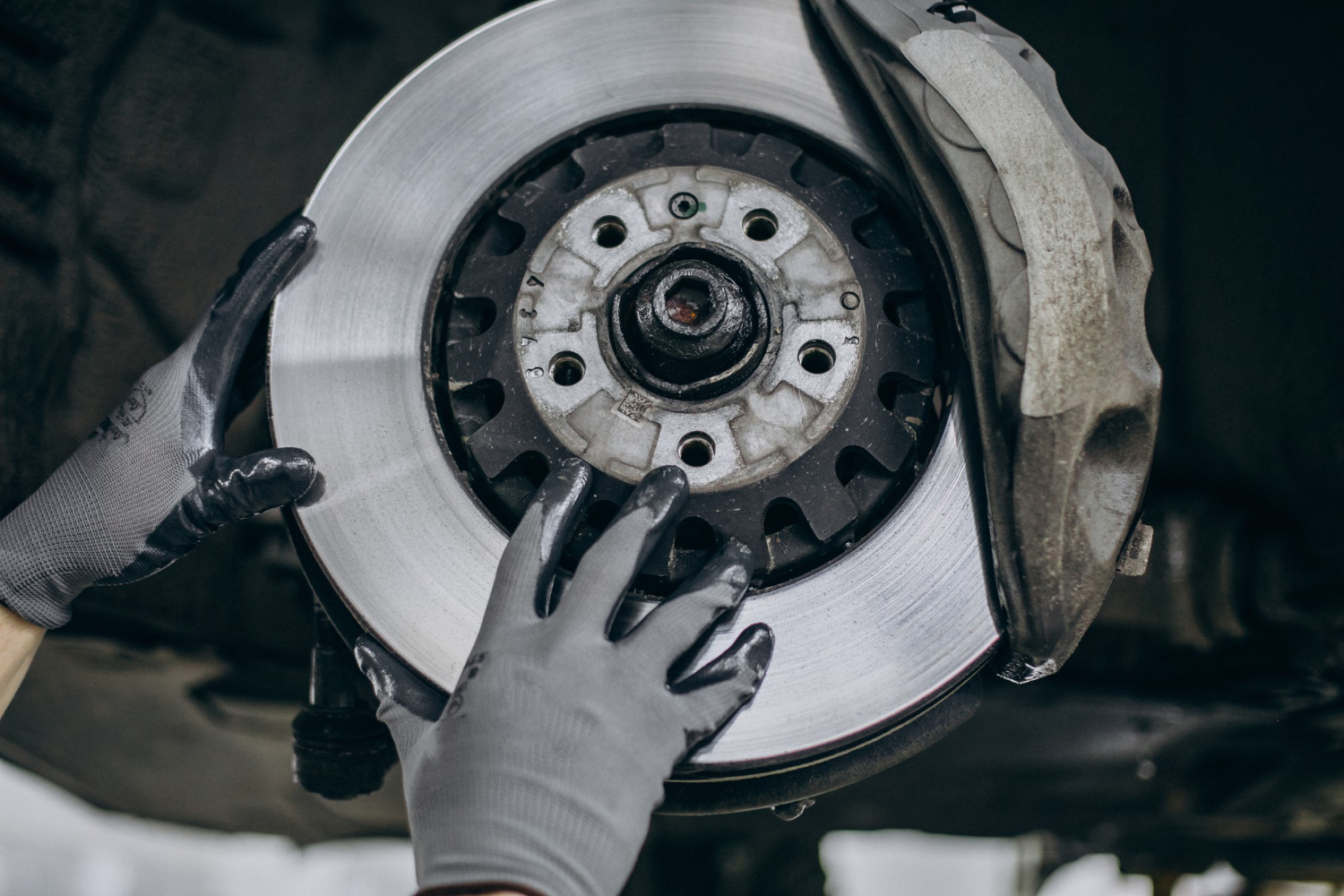
When you press your brake pedal and feel a pulsing sensation or notice your steering wheel vibrating, your brake rotors are trying to tell you something. Rotors are the large metal discs that your brake pads clamp down on to slow your vehicle. Over time, especially with heavy braking or driving in hilly areas, these rotors can become warped from excessive heat.
Warped rotors don’t provide a smooth, even surface for your brake pads to grip. Instead, as the warped rotor spins, it creates that pulsing sensation you feel through the pedal and steering wheel. This isn’t just uncomfortable—it reduces your braking efficiency and can lead to uneven pad wear, creating additional problems down the line.
Sometimes rotors can be resurfaced to restore a smooth braking surface, but if they’ve worn too thin or the warping is severe, replacement is necessary. Our ASE certified technicians at J&C can measure your rotors and determine the best course of action. Addressing warped rotors promptly prevents the problem from damaging other brake components and ensures your vehicle stops smoothly and safely.
Soft or Spongy Brake Pedal
Your brake pedal should feel firm and responsive when you press it. If it feels soft, spongy, or if it sinks closer to the floor than usual, you’re dealing with a serious brake system issue that requires immediate attention. This sensation typically indicates one of several problems, none of which should be ignored.
Air in your brake lines is a common culprit behind a spongy pedal. Brake systems rely on hydraulic pressure—when you press the pedal, brake fluid transmits that pressure to the brake pads. Air bubbles in the lines compress under pressure, creating that spongy feeling and reducing braking power. A brake fluid leak can cause similar symptoms while also lowering the fluid level in your system. Worn brake pads or issues with the master cylinder can also create a soft pedal feel.
Whatever the cause, a soft brake pedal means your stopping power is compromised. The distance it takes to bring your vehicle to a complete stop increases, and in an emergency situation, those extra few feet could make all the difference. If you notice any change in how your brake pedal feels, have your system inspected immediately.
Vehicle Pulls to One Side When Braking
When you apply the brakes, your vehicle should come to a smooth, straight stop. If your car or truck pulls noticeably to the left or right, there’s an imbalance in your braking system that needs diagnosis and repair. This pulling sensation isn’t just annoying—it’s dangerous, especially in emergency braking situations or on wet roads.
A stuck brake caliper is often responsible for this symptom. Calipers are the components that press your brake pads against the rotors. When one caliper sticks in place, it continues applying pressure even when you’re not braking, or it fails to apply enough pressure when you are braking. Either scenario creates uneven braking force between your left and right wheels, causing the pull.
Uneven brake pad wear, collapsed brake hoses, or even contaminated brake fluid can also cause pulling. Our technicians frequently find that Douglasville’s humid climate contributes to caliper corrosion, especially on vehicles that aren’t driven regularly. Regardless of the cause, a pulling vehicle is unpredictable and unsafe. Professional inspection and repair will restore balanced, controlled braking.
Dashboard Brake Warning Light Illuminates
Modern vehicles are equipped with sophisticated monitoring systems designed to catch brake problems early. When your brake warning light illuminates on your dashboard, it’s your car’s computer telling you that something in the brake system isn’t functioning as it should. Some drivers see this light and assume it’s just a sensor malfunction they can ignore. This is a serious mistake.
The brake warning light can indicate low brake fluid, which might mean you have a leak somewhere in the system. It can signal worn brake pads in vehicles equipped with electronic wear sensors. In some cases, it indicates a problem with your anti-lock braking system (ABS), which is crucial for maintaining control during emergency stops on wet or slippery roads.
Whatever triggered the light, it’s alerting you to a real problem that requires professional diagnosis. Ignoring it won’t make the problem go away—it will only allow it to worsen and potentially become dangerous. At J&C Auto Services, we use advanced diagnostic equipment to quickly identify what triggered your brake warning light and get your system back to safe, reliable operation.
Professional Brake Service at J&C Auto Services
Our ASE certified technicians have the expertise and equipment to diagnose and repair any brake system issue. We provide complete brake services including pad and rotor replacement, caliper repair and replacement, brake fluid service, and thorough system inspections. We work on all makes and models, from domestic vehicles like Ford and Chevrolet to imports like BMW and Audi, as well as hybrid vehicles.
Don’t wait until brake problems become brake failures. If you’re experiencing any of these warning signs, call J&C Auto Services at (678) 715-3133 or schedule your brake inspection online. We’ve been Douglasville’s trusted auto repair experts for over 20 years, and we’re committed to keeping you safe on the road.
Your brakes are too important to ignore. Let us help you maintain safe, reliable stopping power