Hybrid Vehicle Maintenance: What Makes Your Prius and Hybrid Cars Different
Hybrid vehicles represent the bridge between traditional gasoline engines and fully electric cars. Models like the Toyota Prius, Honda Civic Hybrid, Ford Fusion Hybrid, and Hyundai Ioniq deliver impressive fuel economy while maintaining the convenience of gasoline power. These vehicles use sophisticated technology that combines gasoline engines with electric motors and high-voltage battery packs, creating systems that require specialized knowledge for proper maintenance.
Many hybrid owners choose these vehicles specifically for their reliability and low operating costs. The good news is that hybrids generally live up to this reputation when maintained properly. At J&C Auto Services in Douglasville, we’ve serviced hybrid vehicles since they became popular, and we understand both the similarities and crucial differences between hybrid maintenance and conventional vehicle service.
How Hybrid Systems Actually Work
Understanding your hybrid’s basic operation helps you maintain it properly. Most hybrids use what’s called a parallel hybrid system. The gasoline engine and electric motor can both power the wheels independently or work together when maximum power is needed. The system decides automatically which power source to use based on driving conditions.
During acceleration from a stop, the electric motor provides initial power because electric motors deliver maximum torque instantly. This saves fuel and reduces emissions during city driving. Once you reach cruising speed, the gasoline engine takes over because it operates more efficiently at steady speeds. When you brake, the electric motor reverses operation and becomes a generator, capturing energy that would normally be wasted as heat and storing it in the battery pack.
This regenerative braking system is one reason hybrid brake pads last much longer than conventional vehicles. The electric motor does much of the work during light braking, so the friction brakes see less use. Some hybrid owners get 100,000 miles or more from their original brake pads. However, this doesn’t mean brakes need no attention—we’ll discuss that shortly.
The high-voltage battery pack stores energy for the electric motor. These batteries typically operate at 200 to 300 volts, which is very different from your conventional 12-volt car battery. Hybrids actually have both: the high-voltage traction battery that powers the motor, and a conventional 12-volt battery that runs accessories and computer systems just like any other car.
Maintenance That’s Similar to Conventional Vehicles
Many maintenance items on hybrids are identical to conventional vehicles. Your hybrid still needs regular oil changes, though intervals might differ slightly. The engine still has spark plugs, air filters, and coolant that require periodic service. Tires still need rotation and eventual replacement.
Engine oil changes follow similar schedules to conventional vehicles, typically every 5,000 to 10,000 miles depending on whether you use conventional or synthetic oil. However, hybrid engines often run cooler and spend less time operating than conventional engines, which can sometimes allow slightly longer intervals. We still recommend following the manufacturer’s severe service schedule for most drivers, especially in Georgia’s hot climate.
Air filters need regular replacement just like any vehicle. Cabin air filters are particularly important in hybrids because these vehicles rely heavily on climate control systems to maintain comfort when the engine isn’t running. A clogged cabin filter makes your AC work harder and reduces air quality inside the vehicle.
Tire maintenance follows the same principles as conventional vehicles. Proper inflation matters even more on hybrids because these vehicles are designed for maximum efficiency, and underinflated tires hurt fuel economy noticeably. Tire rotations every 5,000 to 7,500 miles ensure even wear and maximum tire life.
Critical Differences in Hybrid Maintenance
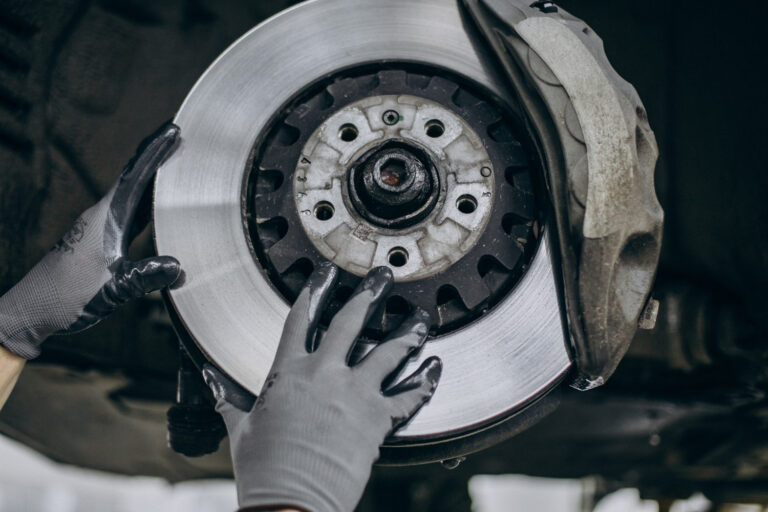
Brake service on hybrids requires a different approach than conventional vehicles. While brake pads last much longer due to regenerative braking, the reduced use creates its own problems. Brake components can corrode from lack of use, especially in humid climates like Georgia. Brake fluid still absorbs moisture even when the brakes aren’t working hard, and moisture-contaminated fluid can cause internal corrosion.
We recommend brake inspections every 15,000 miles for hybrids, even though the pads show minimal wear. We check for corrosion on rotors, calipers, and slides. We test brake fluid moisture content and recommend flushes every two years regardless of mileage. This preventive approach catches problems before they cause brake system failures.
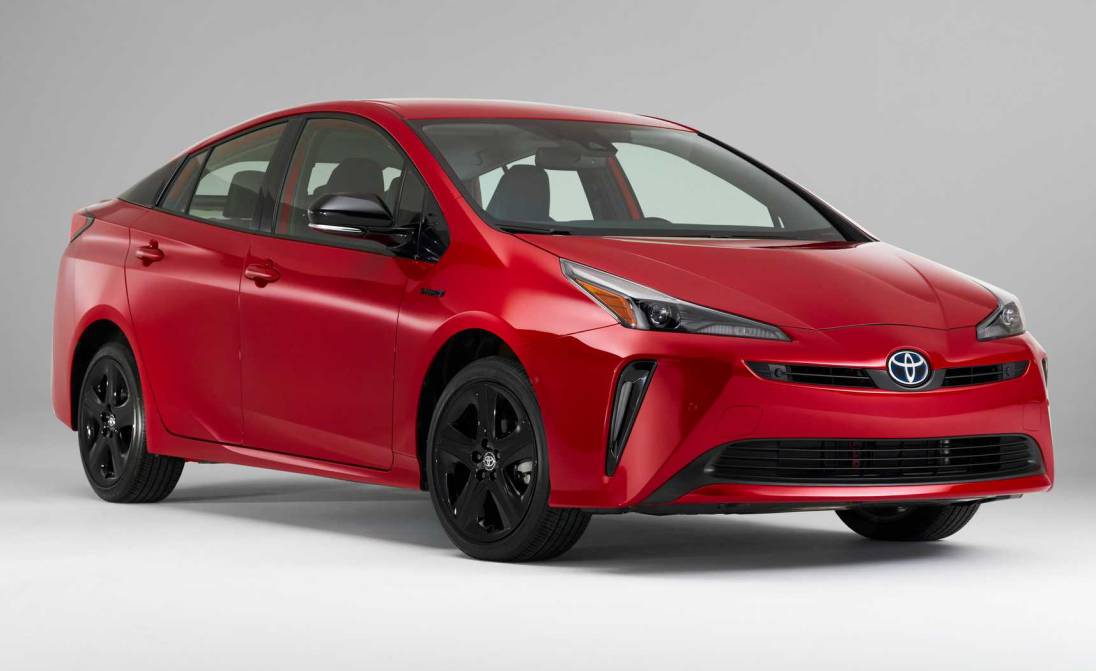
Cooling systems in hybrids are more complex than conventional vehicles. Many hybrids have separate cooling systems for the engine and the power electronics. The Prius, for example, has three different cooling systems: one for the engine, one for the inverter and electric motor, and one for the transmission. Each system needs proper maintenance with the correct coolant type.
The hybrid battery cooling system deserves special attention. Most hybrid batteries use air cooling with dedicated fans and filters. These filters become clogged with dust and debris over time, reducing cooling efficiency and potentially shortening battery life. We check and clean battery cooling system filters during routine service to prevent expensive battery problems.
Understanding Hybrid Battery Life and Health
The question every hybrid owner eventually asks is how long the high-voltage battery will last. Modern hybrid batteries are remarkably durable. Toyota Prius batteries routinely exceed 200,000 miles. Honda and Ford hybrid batteries show similar longevity. Battery failures before 150,000 miles are relatively uncommon when the vehicle receives proper maintenance.
Several factors affect battery life. Temperature extremes stress batteries, though modern battery management systems protect against the worst effects. Frequent deep discharges and rapid charges create more wear than normal driving. Keeping your hybrid battery between 20% and 80% charge maximizes its lifespan, though the battery management system handles this automatically during normal operation.
Battery health gradually declines over time and miles. You might notice slightly reduced fuel economy or less electric-only range after many years. This degradation is normal and doesn’t necessarily mean you need a new battery. Many hybrids continue operating perfectly well with somewhat degraded batteries.
When battery replacement eventually becomes necessary, costs have dropped significantly from the early days of hybrids. Aftermarket and remanufactured batteries offer quality alternatives to dealer batteries at lower prices. Battery replacement is also an opportunity to upgrade to newer battery technology that might perform better than your original battery.
The 12-Volt Battery Trap
Many hybrid owners don’t realize their vehicle has a conventional 12-volt battery in addition to the high-voltage traction battery. This small battery powers the computer systems and starts the hybrid system. When the 12-volt battery fails, the entire vehicle becomes inoperable even though the main hybrid battery is fully charged.
The 12-volt batteries in hybrids often have shorter lifespans than conventional car batteries. They’re smaller and work harder because hybrid systems draw power constantly, even when parked. We recommend testing the 12-volt battery annually and replacing it every three to four years as preventive maintenance. This $150 service prevents the frustration of a dead vehicle and potential towing charges.
Software Updates and System Recalls
Hybrid vehicles rely heavily on computer systems that control the interaction between gasoline and electric power. Manufacturers periodically release software updates that improve operation, fix bugs, or optimize performance. These updates aren’t always included in routine service unless you specifically request them.
We check for available software updates during major services and recommend them when they address known issues or improve reliability. Some updates are released as recalls or technical service bulletins. We stay current on these announcements and proactively inform customers when updates affect their vehicles.
Choosing a Shop for Hybrid Service
Not every shop has the training, tools, and safety equipment necessary to work on hybrid vehicles safely. High-voltage systems require specialized knowledge and proper safety procedures. Technicians must understand how to disable high-voltage systems before performing repairs. They need insulated tools rated for high-voltage work.
Look for shops with hybrid-certified technicians. ASE offers specific hybrid vehicle certification that demonstrates proper training. Ask whether the shop has high-voltage safety equipment and manufacturer-specific diagnostic tools. Generic scan tools miss much of the hybrid system data that’s necessary for proper diagnosis.
Parts quality matters particularly for hybrid vehicles. Aftermarket parts exist for most hybrid components, but quality varies widely. A reputable shop uses quality aftermarket parts from known suppliers or OEM parts when aftermarket options don’t meet quality standards.
Trust J&C Auto Services for Hybrid Expertise
Our ASE certified technicians have extensive training in hybrid vehicle systems. We understand the unique requirements of Toyota, Honda, Ford, and other hybrid systems. We have the diagnostic equipment and safety gear necessary to service hybrid vehicles properly and safely.
We service all hybrid maintenance needs from routine oil changes to complex hybrid system repairs. We check battery health, service cooling systems, maintain brakes properly for hybrid use, and address the 12-volt battery before it causes problems. We treat your hybrid with the specialized care these sophisticated vehicles deserve.
Your hybrid vehicle delivers efficiency and reliability when maintained by knowledgeable professionals. Call J&C Auto Services at (678) 386-6160 or schedule your hybrid service online. We’ve served Douglasville hybrid owners for years with expert, honest service. Visit our complete service offerings to see how we maintain all vehicle types.
Don’t trust your Prius, Civic Hybrid, or other hybrid to shops that treat them like conventional cars. Choose the hybrid specialists at J&C Auto Services. We’ll keep your hybrid running efficiently for years to come.