
Preparing Your Car for Georgia’s Summer Heat: Essential Maintenance Guide
Georgia summers are brutal on vehicles. When temperatures regularly climb above 95°F in Douglasville and the heat radiating from asphalt pushes even higher, your car faces conditions that test every system. The good news is that a little preparation now prevents breakdowns later and keeps you comfortable while the mercury rises.
Summer isn’t just uncomfortable for drivers—it’s genuinely hard on mechanical systems. Heat accelerates fluid breakdown, stresses cooling components, and puts extra strain on batteries and tires. At J&C Auto Services, we see a dramatic spike in overheated engines and dead batteries every June through August. Most of these problems are preventable with proper preparation.
Check Your Cooling System Before the Heat Arrives
Your cooling system works harder during Georgia summers than almost any other component in your vehicle. The radiator, water pump, hoses, and thermostat all work together to keep your engine from overheating, but they can only do their job if everything is in good condition.
Start by checking your coolant level. Low coolant is one of the most common causes of overheating, and it’s also one of the easiest to prevent. Pop your hood when the engine is cool and locate the coolant reservoir. The fluid level should sit between the “min” and “max” lines. If it’s low, you need to add the correct coolant mixture—never plain water.
Beyond the level, coolant condition matters too. Over time, coolant breaks down and loses its ability to protect against corrosion and regulate temperature effectively. If your coolant looks rusty or contains visible debris, schedule a flush and fill. While you’re inspecting the coolant, examine the hoses that carry it throughout your engine. Look for cracks, soft spots, or bulges. A hose that fails in summer traffic can leave you stranded with an overheated engine.
The water pump circulates coolant through your engine. If it’s failing, you might hear a whining noise or notice coolant leaking from the front of your engine. Don’t ignore these signs—a failed water pump means immediate overheating.
Ensure Your AC System Works Efficiently
Nothing ruins a Georgia summer drive faster than an air conditioning system that blows warm air. Your AC does more than keep you comfortable—it helps prevent driver fatigue and keeps you alert during long drives in extreme heat.
Test your AC before you really need it. Turn it on and feel the air coming from the vents. It should blow cold within a minute or two. Weak airflow might indicate a clogged cabin air filter, which is an easy fix. Warm air instead of cold suggests your refrigerant is low or you have a leak in the system.
Strange odors when you run the AC often mean mold or mildew has built up in the system. This isn’t just unpleasant—it can aggravate allergies and affect air quality inside your vehicle. Our technicians can clean your AC system and restore fresh, cold air.
If your AC needs refrigerant, don’t delay the repair. The system works harder when refrigerant is low, putting extra strain on the compressor. This can turn a simple recharge into an expensive compressor replacement if you wait too long.
Test Your Battery Before It Fails
Many drivers think cold weather is hardest on batteries, but extreme heat actually causes more battery failures. High temperatures accelerate the chemical reactions inside your battery, which shortens its lifespan significantly. A battery that might last five years in a moderate climate often fails after just three years in Georgia.
Have your battery tested, especially if it’s more than three years old. Most auto parts stores and repair shops offer free testing. The test measures both the current charge and the battery’s ability to hold a charge under load. This tells you whether your battery is still reliable or if it’s likely to fail soon.
Check your battery terminals while you’re under the hood. Corrosion appears as a white, blue, or greenish powdery substance around the connections. This corrosion interferes with the electrical connection and can prevent your car from starting. Clean terminals with a wire brush and baking soda solution, then apply a thin layer of petroleum jelly to prevent future corrosion.
Monitor Tire Pressure and Condition
Hot asphalt and high air temperatures both affect your tires. As temperatures rise, the air inside your tires expands, which increases pressure. Overinflated tires have less contact with the road, reducing traction and making blowouts more likely.
Check your tire pressure when the tires are cold—before you’ve driven more than a mile or two. The correct pressure is listed on a sticker inside your driver’s door, not on the tire itself. Adjust pressure to match the recommended PSI, accounting for the fact that it will increase slightly as temperatures rise throughout the day.
Inspect your tires for signs of wear. Use a penny to check tread depth: insert it into the tread with Lincoln’s head upside down. If you can see the top of his head, your tires need replacement. Also look for cracks in the sidewalls, bulges, or uneven wear patterns. These issues become more dangerous in summer heat.
Don’t forget your spare tire. Check its pressure and condition too. The last thing you want is to have a flat tire in July heat only to discover your spare is also flat.
Verify All Fluids Are at Proper Levels
Heat breaks down automotive fluids faster than cooler temperatures do. Engine oil, transmission fluid, brake fluid, and power steering fluid all deserve attention before summer arrives.
Engine oil is particularly important. Consider switching to synthetic oil if you haven’t already. Synthetic oil handles heat better than conventional oil and maintains its protective properties even under extreme temperatures. It costs more upfront but provides superior protection and can actually save money by extending the time between oil changes.
Transmission fluid keeps your transmission cool and lubricated. Check the level and color when the engine is warm. The fluid should be bright red or pink. Dark brown or black fluid that smells burnt indicates the fluid has broken down and needs changing. Transmission repairs are expensive—preventive fluid changes are not.
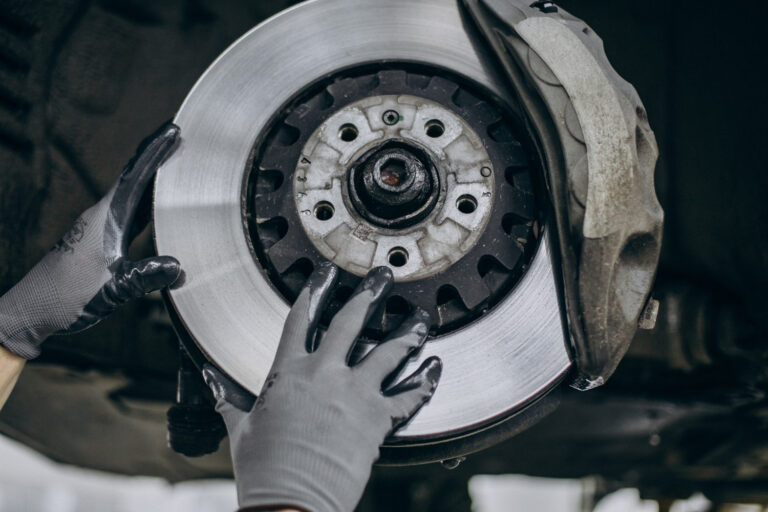
Brake fluid naturally absorbs moisture over time, which lowers its boiling point and reduces braking effectiveness, especially under heavy use in hot weather. If your brake fluid looks dark or hasn’t been changed in three years, schedule a brake fluid flush.
Protect Your Car’s Interior and Exterior
Summer sun doesn’t just affect mechanical components—it damages your vehicle’s interior and paint too. Simple protective measures keep your car looking good and maintain its value.
Use a windshield sun shade when you park. This simple tool dramatically reduces interior temperature and protects your dashboard from UV damage and cracking. If you park outside regularly, consider using seat covers to protect upholstery from fading and heat damage.
Park in shade whenever possible. This keeps your interior cooler and reduces stress on the cooling system when you restart the engine. If you have leather seats, parking in shade prevents the leather from becoming uncomfortably hot and helps it last longer.
Wax your car’s exterior. A good coat of wax provides a protective barrier against UV rays, bird droppings, and tree sap—all of which can damage paint. Summer is actually an ideal time to wax because the product cures well in warm temperatures.
Check your door and window seals. These rubber components dry out and crack in intense heat. Damaged seals let hot air in and cold AC air out, making your cooling system work harder. Replace damaged seals before summer to maintain cabin comfort.
Schedule Your Pre-Summer Inspection
The best way to prepare for Georgia summer is to schedule a comprehensive vehicle inspection at J&C Auto Services. Our ASE certified technicians will check all the systems that summer heat stresses most: cooling, AC, battery, tires, and all fluids. We’ll catch small problems before they become roadside emergencies in 95-degree heat.
Don’t wait until you’re stranded in a hot parking lot with an overheated engine or dead battery. Call us at (678) 715-3133 or schedule your summer inspection online. We’ve served Douglasville drivers for over 20 years, and we know exactly what Georgia summers demand from your vehicle.
We service all makes and models, including imports, domestic vehicles, and hybrids. Let our expertise keep you cool and safe all summer long. Your complete auto service needsare covered at J&C.
Beat the heat this summer with proper preparation. Your car will thank you, and you’ll enjoy reliable, comfortable transportation all season long.